
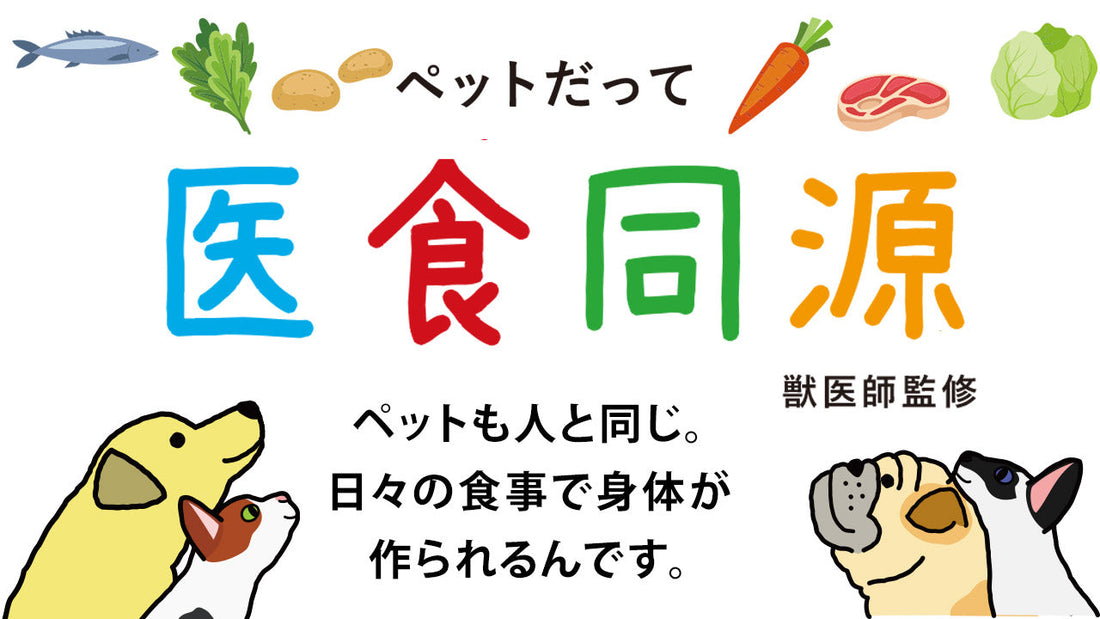
Food Is Medicine for Pets Too – Tips on Pet Nutrition & Homemade Meals
As pets grow older, more of them are developing lifestyle-related diseases such as cancer. Research on cancer treatments like chemotherapy and radiation therapy is gradually progressing, but it still seems that developing a breakthrough cure will take time. Medications for lifestyle-related diseases are also only symptomatic treatments that suppress the symptoms.
However, by reviewing and improving daily meals, we can expect better health outcomes and even disease prevention. Most commercial pet foods contain a high amount of carbohydrates. By limiting these carbohydrates, it is possible to help prevent illness or improve existing conditions.
In particular, since cancer cells need carbohydrates to grow, for pets that already have cancer, it is recommended to limit calories from carbohydrates to less than 10% of total daily calories. For pets that do not have cancer, keeping carbohydrates to around 20% or less of total calories should be sufficient.
However, if your pet has diabetes, we recommend the same restriction as for pets with cancer—keeping carbohydrates below 10%. Carbohydrate restriction can help improve their condition.
When you hear “homemade food,” it may sound difficult or burdensome, but the goal is to keep it simple, enjoyable, and sustainable over the long term. Pets such as dogs, cats, and rabbits are just like us—their bodies are built from their daily meals. A high-quality diet is a gentle form of medicine.
Why not start with small, everyday changes to help prevent and improve disease in your pet?
Protein

◆ Meat
Choose lean cuts with little fat, focusing on red meat.
It’s recommended to rotate between several types of meat.
◆ Fish
EPA and DHA provide anti-tumor and anti-inflammatory benefits.
Especially recommended are bluefish, served as sashimi or canned in water.
Salmon is also a good choice.
◆ Natto
A source of plant-based protein.
As a fermented food, it helps improve gut health, supports detoxification, and boosts immunity.
It also provides oligosaccharides, which serve as nutrition for intestinal bacteria.
For better digestion, finely chopped natto (hikiwari natto) is recommended.
◆ Tofu
A source of plant-based protein.
With its high-water content, it helps promote detoxification and can also be used to add volume to meals.
Vegetables & Mushrooms

Vegetables
Leafy vegetables are generally low in carbohydrates and are recommended. Be sure to wash off any pesticides thoroughly to prevent harmful substances from entering the body.
Mushrooms
Edible mushrooms are safe to use. Since dogs and cats are not good at digesting dietary fiber, chop mushrooms finely before feeding.
※ Potatoes and similar starchy vegetables are high in carbohydrates, so it's best to avoid them.
Also,vegetables with strong sweetness, such as carrots and pumpkin, should be given only in small amounts
EPA&DHA, Fish Oil & Krill Oil

These are unsaturated fatty acids classified as Omega-3s. They are expected to provide anti-inflammatory and anti-tumor benefits, and by acting on the autonomic nervous system, may also help reduce stress.
Since pets often have difficulty digesting plant-based ingredients, animal-based Omega-3 fatty acids are recommended. For pets with sensitive stomachs, krill oil (which provides EPA and DHA from Antarctic krill) may be a good choice.
※ Please avoid any ingredients your pet is allergic to. These dietary suggestions are not guaranteed to be effective for all dogs and cats.

Frequently asked questions
Q: After changing the diet, the weight went down
A: If your pet is eating well but still losing weight, there’s no need to worry. A diet with reduced carbohydrates and increased protein helps reduce body fat and build a lean, toned body.
Q: Is the salt content in canned mackerel safe
A: As long as your pet does not have kidney failure, urinary tract disease, or heart disease, the salt content is not a problem. However, if you are concerned, you can discard the liquid and pour hot water over the fish to lightly reduce the salt before serving.
Q: My pet only eats commercial food.
A: This may be solved by adjusting the flavor. With homemade meals, it’s easy to forget seasoning. Try adding a light touch of salt, miso, consommé, or bonito flakes. Avoid using artificial seasonings. Also, warming ingredients enhances their aroma and flavor, making them more appetizing.
Q: Is it okay to give rice or bread.
A: Since they are high in carbohydrates, we do not recommend giving them on a regular basis.
Q: My pet's blood tests show elevated kidney or liver levels, so I can't feed a high-protein diet.
A: Reducing protein too much can lower overall metabolism and make it harder for the immune system to function properly. To help maintain muscle mass, we recommend adding an amino acid supplement. It provides essential amino acids efficiently, even when protein intake from meals is limited.
Q: What are downsides of this diet?
A: The biggest drawback is that it takes more effort. Of course, commercial food is convenient, but just as people don’t live on instant meals or hamburgers alone, the same goes for pets. Try increasing the proportion of homemade food at a pace that feels manageable for you. You can also take a look at the premium foods we recommend as a reference.
Support for Homemade meals
At Monolith, the dog and cat foods we carry are all highly nutritious and high in protein. They’re perfect for days when you can’t prepare a homemade meal, or for mixing with your own homemade food.
These are not inexpensive foods, but each one is carefully crafted with quality in mind. Their rich aroma makes them great for mixing into regular meals or using as toppings, and they can even help encourage eating in dogs and cats with poor appetite.


